
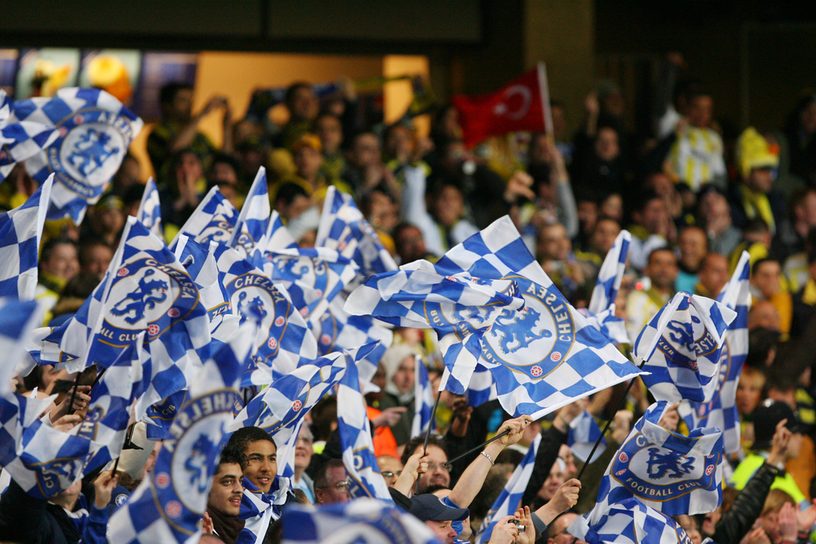
The final whistle still matters. It always will. It ends the match, locks in the score, and gives shape to the emotion of the day. But it no longer ends the experience. Modern football has stretched well beyond the old boundaries of kick-off to full-time, and fans know that instinctively now. The game keeps moving through line-up debates, highlight clips, post-match arguments, second-screen habits, fantasy teams, and the wider digital landscape. In this space, Betway casino and similar interactive platforms have become part of the week-long infrastructure through which supporters engage with the same unpredictability and tension that defines the sport itself.
That is one of the biggest changes in fan culture over the last few years. There was a time when the match itself carried most of the weight. You watched, reacted, discussed it for a bit, then waited for the next one. Now there is barely any waiting. The space around the game has filled up.
The Always-On Football Cycle
Modern fandom starts long before the players walk out. There is the build-up, of course. Team news. Injury speculation. Predicted line-ups. Tactical threads. Last-minute rumours. Fans no longer arrive at a match cold. By the time kick-off comes around, many have already spent hours inside the emotional machinery of the game.
That build-up matters because it changes the shape of anticipation. Supporters are not just waiting for the football. They are already participating in it. They are weighing whether the manager has got it right, whether a key player is fit enough to start, whether the midfield balance makes sense, or whether a club’s deeper problems are showing through again. That is part of why longer reads on club identity and structure like Blue Champions, now sit so naturally alongside ordinary matchday chatter. The matchday experience begins well before anyone takes their seat, and once the game starts, that involvement does not pause. It usually speeds up.
Watching is No Longer Enough On its Own

A lot of fans do not watch football in one straight line anymore. They watch while checking stats, messaging friends, scrolling reactions, and keeping an eye on other scores. The second screen is not really a second screen now. It is just part of how the match is experienced. A goal goes in and within seconds there are clips, arguments, reactions, and instant opinions about what it means. A red card is no longer just a turning point in the game. It becomes the centre of dozens of conversations at once.
That has changed what following football feels like. Fans are not only watching the action. They are reacting to it, talking through it, and shaping the conversation while the match is still being played. Football still happens on the pitch, but it now lives across a lot more spaces at the same time.
Full-Time is the Start of Another Phase
If second-screen culture changes the live experience, the post-match world changes everything after it. The game ends, but football does not. There are highlights to rewatch, decisions to argue over, performances to reassess, and every small moment to pull apart from a dozen angles. The first reading of a match is rarely the final one. Fans revisit it almost immediately.
A draw that felt decent at full-time can start to look frustrating after the manager’s interview. A narrow win can feel less convincing after the chance count appears online. A missed tackle becomes a talking point because the clip keeps circulating. The post-match phase has become part of the event itself. That is where a lot of modern football culture now lives. In the breakdowns. In the clips. In the debates over who was poor, who was excellent, and what it all means for next week. For many supporters, the result is just the start of the conversation.
How Fans Stay in the Game
This is the real difference now: fans do not just watch the match and switch off. Some go straight to fantasy football to see how the result changes their weekend. Others look for tactical breakdowns, player ratings, or post-match reactions. Some head straight into group chats, fan forums, or social media to relive the best and worst moments with other supporters.
That wider world matters because football now runs through the whole week. It shows up in lunch-break debates, commutes, podcasts, pub conversations, and late-night arguments about who should start the next game. What used to feel separate now all blends together: sport, media, conversation, and participation. If anything, that says a lot about how central football still is.
The Match Is Now One Chapter, Not the Whole Story
The best way to think about modern football might be this: the match is still the emotional centre, but it is no longer the whole experience. It sits inside a much longer cycle of expectation, reaction, replay, and discussion. Fans expect more from football now, not because they love the game less purely, but because the ways of staying close to it have multiplied. There is always another angle, another stat, another clip, another conversation.
That can be exhausting sometimes. It can also be part of the fun. Football has become a continuous piece of culture rather than a once-a-week event you step into and out of.
And that may be the biggest reason the final whistle does not feel final anymore. It still ends the match. It just does not end what the match becomes once it enters the wider life of the fan.
The Game Carries On
That is the modern reality of football support. The old matchday rituals still matter, and probably always will. The walk to the ground, the songs, the line-up tension, the collective release of a goal, none of that has been replaced.
But the game now stretches further. It moves through digital sports culture, second-screen habits, online debate, fantasy football, and all the small rituals that keep supporters emotionally plugged in between fixtures. So no, the game does not end at 90 minutes anymore. Not really. For football fans now, full-time is just where the next version of the match begins.