
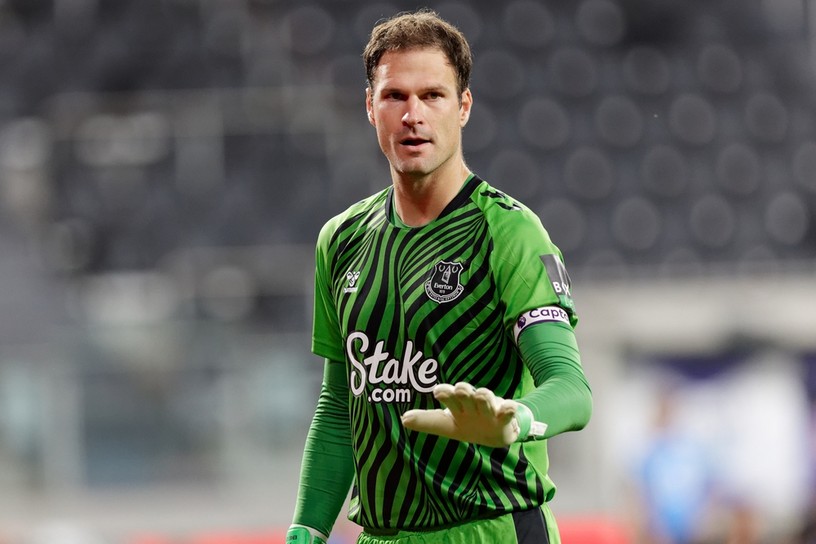
Betting sponsorship in football has always sat in an awkward place. On one side, clubs need commercial income, especially outside the financial comfort of the traditional elite. On the other, football is watched by children, families and millions of supporters who do not necessarily want gambling brands stitched into the fabric of the game. Chelsea’s recent sponsorship difficulties show the tension rather neatly. The club reportedly explored a front-of-shirt deal with Stake in 2023, but the idea was abandoned after supporter backlash. The Chelsea Supporters’ Trust said that more than 77% of voting members strongly disagreed or disagreed with using an online casino and betting company as the club’s primary shirt sponsor.
Chelsea’s case matters because it is not simply about one club and one sponsor. It reflects a wider Premier League problem. Betting brands have become deeply embedded in football because they are willing to pay for attention. The Premier League is one of the most-watched sports products in the world, and shirt sponsorship gives betting companies global visibility every time a team walks onto the pitch, appears on highlights, trends on social media or is used in a video game. For operators, football shirts are not just fabric. They are moving billboards with emotional loyalty attached.
Betting Sponsors Common Despite Incoming Ban

The numbers are substantial. A 2025 Guardian investigation reported that 11 Premier League clubs had betting logos on the front of their shirts despite the incoming ban, while all Premier League clubs had betting partners in some form. It also reported that gambling brands had spent around $135 million on Premier League shirt sponsorships that season. Across 31 major European leagues, two-thirds of teams had at least one gambling sponsorship, showing that this is not only an English issue.
The Premier League has already accepted that the optics are becoming difficult. In April 2023, clubs collectively agreed to withdraw gambling sponsorship from the front of matchday shirts from the 2026–27 season, becoming the first sports league in the UK to take such a voluntary measure. The Premier League said the decision followed consultation with clubs and the Department for Culture, Media and Sport as part of the government’s gambling review.
“This does not mean betting sponsorship is disappearing from football” said the online betting website JeffBet. The front of the shirt is only one piece of commercial space. Sleeve sponsorship, training kit sponsorship, LED advertising, club media, digital content and international partnerships can still give betting brands enormous exposure. In other words, the ban changes the most visible form of betting sponsorship, but it does not sever the relationship between football and gambling. It simply pushes the money into different parts of the commercial machine.
Richard Masters, the Premier League’s chief executive, summed up the historic link in 2020 when he said: “Sport and gambling have a long association.” He also said the Premier League was “certainly not sniffy” about clubs having their own gambling relationships. That attitude made sense commercially at the time, particularly for clubs outside the top six, but the mood has shifted as public concern over gambling exposure has grown.
A Crucial Source of Income

For mid-table and lower-table clubs, the issue is financial as much as moral. Betting brands often pay more than companies in less controversial sectors because football gives them exactly what they need: attention, credibility and customer acquisition. The Guardian reported in April 2026 that the incoming front-of-shirt ban could create a sponsorship gap of about £80 million, with several clubs still seeking replacement deals. That figure helps explain why many clubs have been reluctant to move away from betting money quickly.
Aston Villa’s deal with Betano shows why clubs are still attracted to these partnerships. The club announced Betano as its principal partner in 2024, with Chris Heck, Aston Villa’s President of Business Operations, saying: “We are delighted to welcome Betano as Aston Villa’s new principal partner.” He added that the company’s “dedication to innovation, customer satisfaction and responsible gaming aligns perfectly with the values we hold dear as a club.” Reported values for the agreement suggested it was one of the biggest shirt sponsorship deals in Villa’s history.
Unlicensed Betting Partners

Everton’s relationship with Stake shows another side of the market. Stake described its Everton partnership as an important period in the club’s history as the team looked ahead to life in a new waterfront stadium. The attraction for a betting brand is obvious: Everton are a historic English club with global recognition, emotional fan loyalty and regular Premier League visibility. But the controversy around Stake’s UK position, including its decision to give up its Great Britain licence in 2025, highlights the growing problem of clubs promoting brands that may not be directly available or licensed in the UK market.
That licensing issue has become one of the biggest talking points. In 2026, the government was reported to be considering whether sports teams should be prevented from partnering with gambling companies that are not licensed in Britain. Culture Secretary Lisa Nandy said the government wanted to ensure that “fans can only engage with gambling sites that are properly regulated”. This matters because a betting sponsor on a Premier League shirt can be seen by UK fans even when the company’s main gambling operations target overseas markets.
The industry itself is not united on the issue. Entain, owner of Ladbrokes and Coral, has called for the football regulator to stop clubs taking sponsorship from unlicensed gambling companies. That is partly a consumer protection argument, but it is also a competition argument. Licensed UK operators pay taxes, follow Gambling Commission rules and fund compliance systems. Unlicensed overseas-facing brands may receive football exposure without carrying the same regulatory burden in Britain.
The Influence of Fan Power
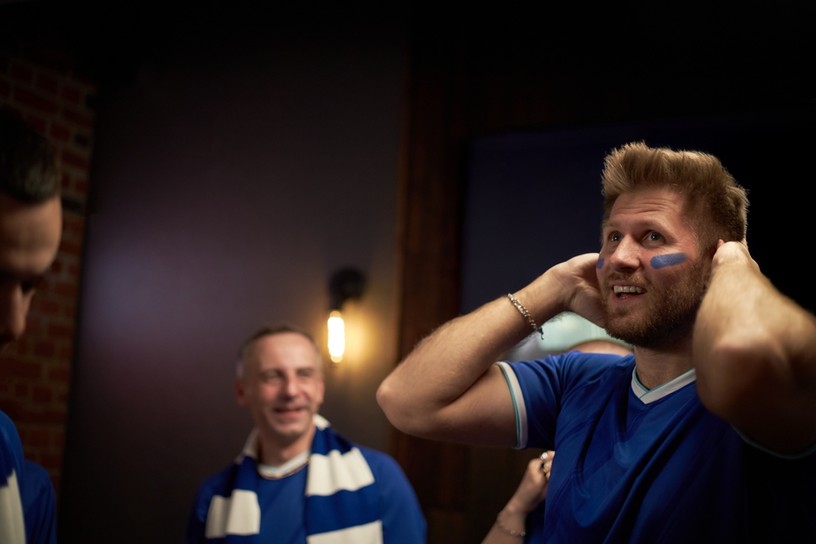
For clubs like Chelsea, the challenge is now reputational as much as commercial. A betting sponsor may bring strong money, but it can also create supporter anger, media scrutiny and political attention. Chelsea’s failed Stake talks showed that a wealthy club cannot always treat shirt space as purely transactional. Fans increasingly expect clubs to think about what a sponsor says about the identity of the club. A gambling logo on a shirt is not neutral branding; it carries social meaning.
For betting companies, football remains too valuable to ignore. Sponsorship gives them credibility, reach and visibility in a market where customer acquisition is expensive. For clubs, betting brands can still fill gaps that banks, airlines, fintech companies or consumer brands may not be willing to fill at the same price. That is why the relationship will continue, even as the front-of-shirt era winds down.
The Future for Betting Sponsorship in the Premier League
The next phase will be more subtle. Betting brands are likely to move further into sleeves, training wear, overseas partnerships, digital content, stadium advertising and club-specific promotions. Clubs will try to protect income while avoiding the worst public backlash. Regulators will keep asking whether the exposure is appropriate. Supporters will keep asking whether the money is worth it.
Football and betting are not parting ways. They are renegotiating the terms of the relationship. Chelsea’s experience shows that supporters now have a stronger voice, while the Premier League’s incoming ban shows that commercial logic has limits. The money is still there, but the easy days of putting a betting logo front and centre on a shirt are coming to an end.