
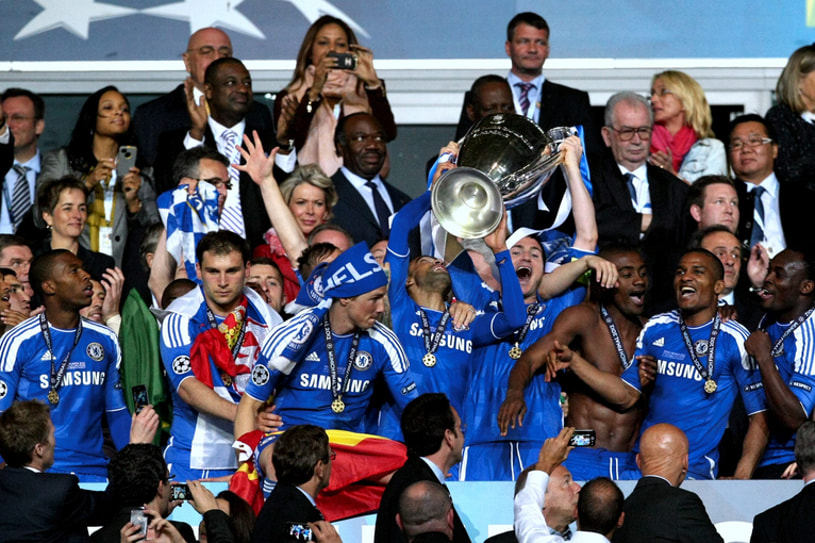
Chelsea have spent fortunes on players who flopped spectacularly, yet somehow also pulled off deals that look more genius with every passing year. The difference between the two is rarely the price tag. It comes down to fit, timing, and the willingness to let a player do what he actually does best.
Frank Lampard: The £11 Million Nobody Questioned Twice

West Ham fans were not exactly heartbroken when Chelsea signed Frank Lampard in June 2001. He’d been booed at Upton Park. That context makes what followed almost absurd. For £11 million, Chelsea acquired a midfielder who would go on to score 211 goals in 648 appearances, becoming the club’s all-time top scorer. A central midfielder. The club’s all-time top scorer.
The reason it worked had little to do with money and a lot to do with Mourinho’s arrival in 2004. Lampard thrived in a system that demanded box-to-box energy and gave him licence to arrive late into dangerous positions. The structure unlocked the player. Observers who follow sports betting markets note how consistently Lampard-era Chelsea were priced as title favorites, which reflects just how dominant that squad became once the pieces clicked into place. He won three Premier League titles, four FA Cups, and lifted the Champions League as captain in 2012.
Key reasons the signing worked:
- Chelsea gave Lampard a defined tactical role rather than vague expectations
- Mourinho’s high press created the exact spaces Lampard had been trained to exploit at West Ham
- The squad around him (Terry, Drogba, Cole) removed pressure and freed him to attack
Didier Drogba: The Forward Who Showed Up When It Mattered Most
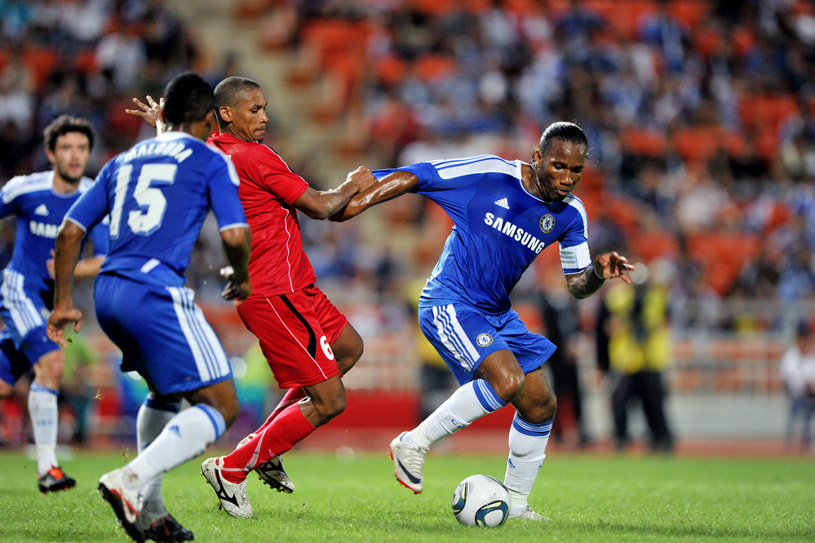
Chelsea paid £24 million to bring Didier Drogba from Marseille in 2004. Rival fans spent years mocking his theatrics. What those fans rarely mentioned: Drogba scored in 10 finals for Chelsea. Ten. That figure is genuinely difficult to process.
The signing worked because Chelsea stopped trying to make him into a traditional centre-forward. He was a physical presence, a target, a weapon in transition. His best seasons came when the team played through him early rather than building around him as an afterthought. Drogba won two Golden Boots and scored 29 goals in the 2009/10 season alone. His headed equaliser against Bayern Munich in the 2012 Champions League final, followed by the decisive penalty in the shootout, stands as one of the most dramatic individual moments in the competition’s history.
Chelsea’s global following expanded enormously during the Drogba years, with fanbases growing across Asia and Southeast Asia, markets where the live casino Philippines community and wider sports entertainment audience tracks Chelsea closely to this day. The signing aged extraordinarily well.
Chelsea’s most reliable big-game performers across the Abramovich era shared three traits:
- Physical presence that suited English football immediately
- Mental strength under pressure rather than simply technical ability
- Chemistry with a settled defensive structure that let them focus on attacking
Eden Hazard: The £35 Million That Left for £100 Million
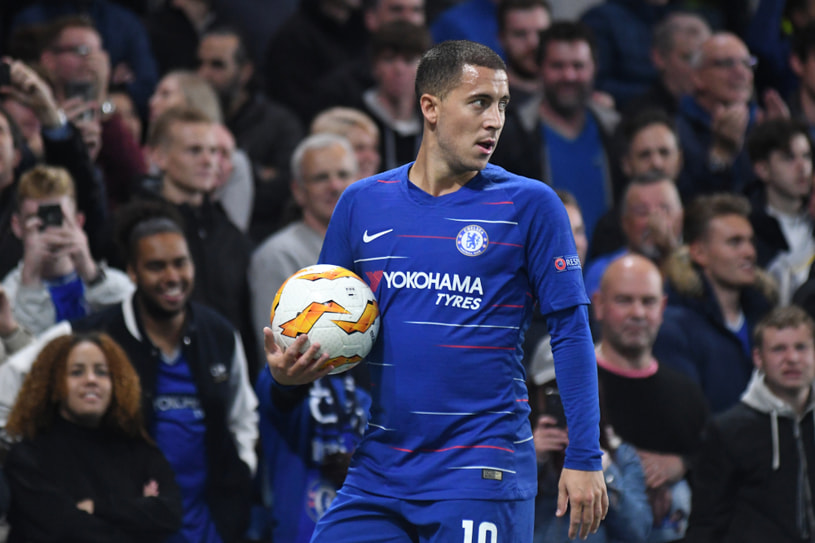
Eden Hazard arrived from Lille in 2012 for around £35 million. Seven years later, Real Madrid paid roughly £100 million to take him away. Chelsea did not exactly lose money on that one.
What made Hazard exceptional was his consistency, which tends to get overlooked in favour of highlight reels. In 245 Premier League appearances for Chelsea, he registered 146 goal contributions. No winger or midfielder in that same period matched him. He also created 595 chances across his time at the club — more than any other player during that span. Those numbers belong in the conversation around the best Premier League players of that generation, full stop.
The approach that made the Hazard deal work was straightforward: Chelsea signed him young (21), built around him gradually, and resisted moving him to a different position when he was at his best. There was no squad philosophy forcing him to defend from the front or operate in a system that dulled his instincts. Tracking player output across seven seasons is the kind of statistical exercise now popular among fans on online casino and sports engagement platforms, and Hazard’s numbers hold up against any winger of that era.
Signs the Hazard model succeeded where other big signings failed:
- Chelsea signed him at 21 rather than at peak market value in his mid-twenties
- The club accepted two to three seasons of development before peak returns arrived
- His eventual sale was managed as a business decision rather than a crisis