
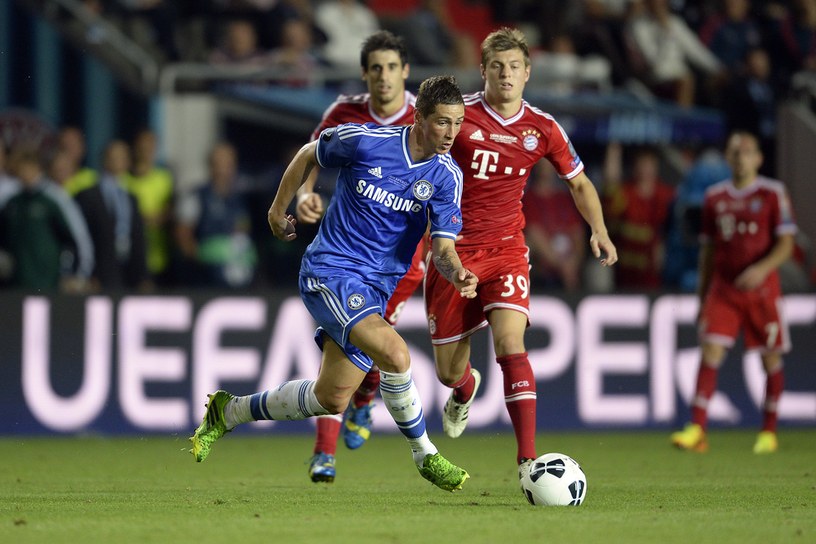
In September 2011, The Guardian published an article entitled ‘Fernando Torres – what’s gone wrong with him at Chelsea?’
It’s the sort of clickbait heading we’re used to now, but at the time football journalism was still designed to be useful, informative and entertaining – rather than merely just targeting page impressions.
It was a fair enough question for the publication to ask, too. Torres had scored 65 goals in 102 Premier League games for Liverpool, before securing a £50 million move to Chelsea in January 2011 – at the time, that was a British transfer record.
But that first half-season in the blue shirt was a disaster, with the Spaniard not scoring a single goal in his first 900 minutes of play and ending the campaign with a hapless record of one goal in 14 outings.
Things marginally improved from there, and Torres did win the Champions League, Europa League and FA Cup in his time at Stamford Bridge, but his own contribution amounted to a return of fewer than one goal every five games.
So was the striker one of the most expensive mistakes in Chelsea’s history, or did he amount to a missed opportunity; one that could have been avoided had more figures at the club tried to help out?
Butt of the Joke
The acrimony that surrounded the move probably didn’t help Torres get off to the best start to life in London.
“I didn’t realise how hard it would be for the people. When I left, I saw pain, and that was killing me,” he told The Athletic about the response from the Liverpool fans.
“I felt like Chelsea would give me the best chance to win trophies with the great squad they had. You don’t realise that you’re making people sad who have given you everything. I didn’t realise how important I was for the Liverpool fans.”
The start of the 2011/12 season was promising, with goals coming – including one at Old Trafford. But then he was sent off against Swansea for a horrific tackle, and found himself in and out of the team thereafter.
The Spaniard didn’t score a single Premier League goal between September 24 and March 31. He was increasingly becoming the butt of terrace jokes and his confidence in front of goal evaporated.
And yet, in a delicious twist, he would go on to score one of the most important goals of his Chelsea career in April 2012. The Champions League semi-final with Barcelona was slipping away from the Blues, but up stepped Torres with a timely reminder of his talents – that last minute strike securing a place in the final.
The hope was that crucial goal against Barca might inspire confidence in Torres and that his former powers would return ahead of the 2012/13 campaign. He did score in the early going, but a red card in a vital game against Manchester United – the second yellow card shown after the Spaniard had clearly dived – was the last straw for many Chelsea fans.
Spanish Inquisition
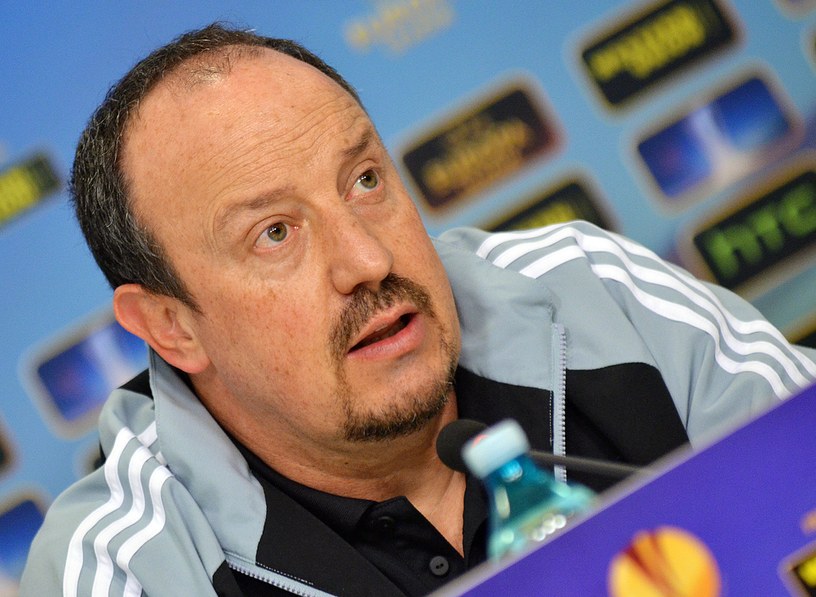
Chelsea replaced Roberto Di Matteo as head coach with Rafa Benitez in November 2012; Torres’ former mentor at Anfield.
Was that coincidence or by design? Only the Chelsea hierarchy know, but the move coincided with another lengthy goalless drought for Torres – 14 games and counting.
Even with those struggles, the striker still found the knack for important goals – when Torres scored, it really did matter. He was on the scoresheet in another major European game, this time notching in the final of the Europa League in 2013 against Benfica… Chelsea would go on to lift the trophy.
The 2013/14 season would be Torres’ last at Stamford Bridge. He struggled to gain Jose Mourinho’s trust in a campaign that would end with the Spaniard notching just five goals in 28 Premier League appearances.
His return of 45 goals in 172 games for the club is padded out by strikes in lower grade competitions; in the Premier League, a return of 20 goals in 110 appearances is vastly under-par for a £50 million frontman.
Where Did It Go Wrong?
Torres had previously described his time at Stamford Bridge as like ‘swimming in wet clothes’. It’s a metaphor that doesn’t translate that well, but you get the general idea.
He also admitted that he ‘lost hope’ when his goal droughts were at their longest, but credit to the Spaniard: he never gave up and he scored some of the most important goals in Chelsea’s modern history.
Injuries didn’t help, either. Torres had severely damaged his knee during 2010, to the point that he was stretchered off in the World Cup final. It was something, the player later admitted, that took years to recover fully.
Sometimes in football, transfers don’t work out – even when, on paper, they look to be a slam dunk. The decision to sign Torres will always be remembered as a bad one… but he gave Chelsea fans some of their most memorable nights in continental football; ones they, nor he, will ever forget.