
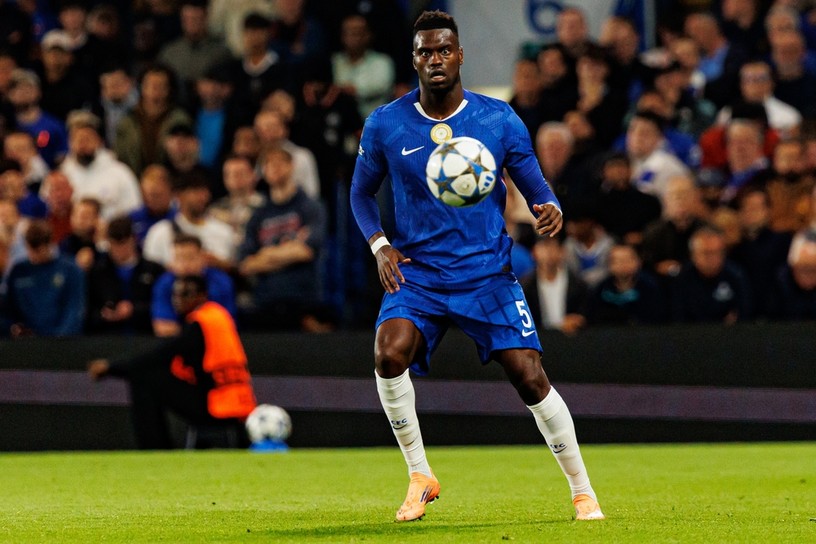
The biggest myth about Chelsea becoming a global football club is that trophies did all the work. They helped, obviously. Winning the Champions League tends to improve international name recognition rather more effectively than finishing eighth and issuing a promising statement about the academy. But Chelsea’s transformation from a famous London club into a team followed every weekend from Lagos to Los Angeles depended on something less romantic: people had to be able to watch them. Football success created the story. Broadcasting made sure the story travelled.
That distinction matters because supporters abroad rarely experience a club through geography. Stamford Bridge may be the emotional centre of Chelsea, but for millions of fans the relationship was built through a television screen and, increasingly, a phone. A supporter watching from another continent might follow the team, discuss a transfer online, check free bet offers before kick-off and stream post-match analysis without ever having been within a thousand miles of Fulham Road. What matters is repetition. A club becomes familiar because it keeps appearing, season after season, in matches that feel important.
Playing in Europe Put Chelsea in the Spotlight
European football gave Chelsea exactly that kind of repetition. The club had continental history long before the Roman Abramovich era, but sustained Champions League participation from the early 2000s put it in front of international audiences with extraordinary regularity. Barcelona, Bayern Munich, Real Madrid, Juventus and Paris Saint-Germain were not simply opponents; they were distribution opportunities. Blue Champions’ account of Chelsea’s recent adventures in Europe shows just how persistent that presence became, from Europa League success in 2019 to the Champions League triumph in 2021 and later continental campaigns. Chelsea did not need to win Europe every season. They needed to keep appearing in the part of football that the world was watching.
WE’VE DONE IT!!!!!!!
#ChelseaChampions #UCLFinal https://t.co/7VZ4RP8Kh6
— Chelsea FC (@ChelseaFC) May 29, 2021
The 2012 Champions League win accelerated everything because it gave those broadcasts a defining image. Didier Drogba’s penalty in Munich was not merely a trophy-winning moment for supporters already inside the Chelsea world. It was transmitted to people who might previously have known the club only through occasional Premier League matches. The second Champions League title in 2021 repeated the trick for another generation. UEFA records Chelsea as winners in both 2011/12 and 2020/21, with the club also reaching a series of semi-finals and knockout rounds during the years between. Chelsea’s Champions League record shows why continental exposure became such an important part of the brand: Chelsea were not visiting Europe occasionally. For long stretches, they were part of its weekly television furniture.
Reaching a Wider Audience
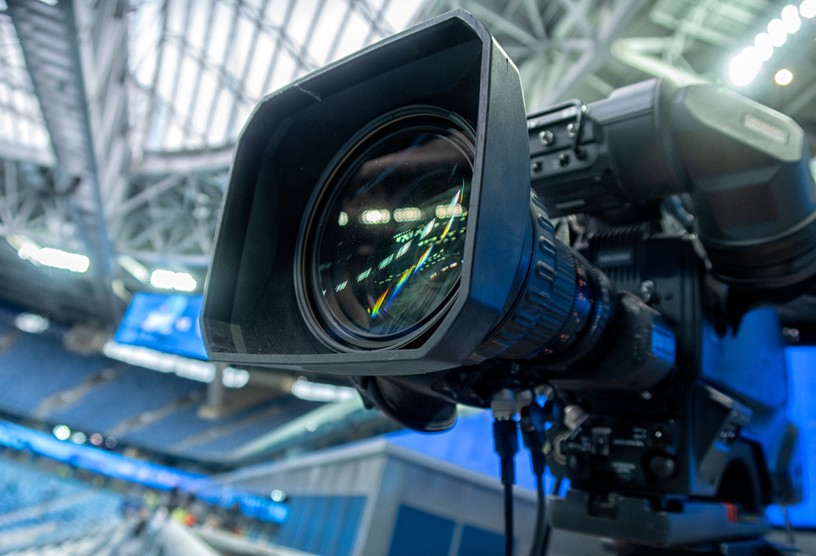
But Europe only explains half of it. The Premier League turned regular domestic football into an international broadcasting product on a scale few competitions can match. Its current rights arrangements stretch across Europe, Africa, Asia, the Americas and the Middle East, with different broadcasters carrying the competition in individual territories. The Premier League’s international broadcast deals for 2025-28 demonstrate how systematically English football is distributed around the world. For Chelsea, that means a routine league game can matter commercially in markets the club itself could never have reached through traditional touring or merchandise sales alone.
Streaming has changed the relationship again. Television made Chelsea visible abroad; digital platforms made the club continuously available. Match clips, interviews, tactical analysis, social media and club-owned subscription content now fill the days between fixtures. Chelsea’s own CFC+ service offers premium video and other content alongside free material on the official app and website, while broadcast restrictions still determine where certain live matches can be shown. The supporter is therefore no longer waiting until Saturday afternoon for contact with the club. Chelsea can occupy Wednesday morning, Thursday lunchtime and Friday night as well.
Local Fans Adapt
There is a contradiction here. Greater access makes clubs feel closer to international supporters, but it also makes football increasingly dependent on broadcasters deciding when and where matches happen. Kick-off times move. Different territories receive different packages. Some supporters thousands of miles away may legally watch more Premier League football live than fans living a short train journey from Stamford Bridge. The global product expands while the local ritual occasionally has to bend around it.
Four fixture alterations in December. 📺
— Chelsea FC (@ChelseaFC) October 19, 2026
Yet that contradiction is now built into what Chelsea are. The club’s global identity was not created simply by buying famous players or lifting European trophies. It grew because those players and those trophies arrived during an era when elite English football was becoming available almost everywhere, first through satellite television and then through streaming.
Success gave Chelsea something worth broadcasting.
Broadcasting made Chelsea everybody’s neighbour.