
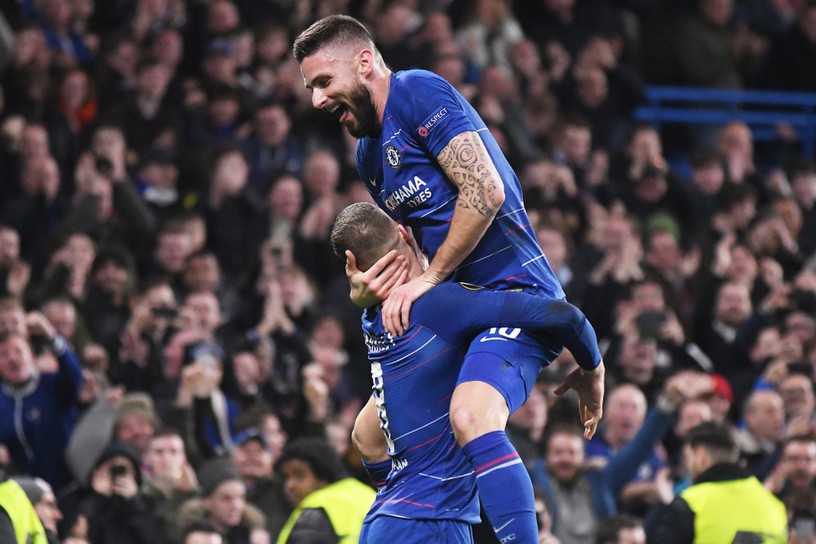
With no European football on Chelsea’s calendar this season and another international break to sit through, November looks unusually quiet for supporters. Just three Premier League fixtures are scheduled for the month, which leaves a lot of space on the calendar and a lot of time to remember what European nights at Stamford Bridge and beyond have meant.
Fans fill that gap in many ways, from fixture-list podcasts and fantasy apps to the stats panels on
online betting sites. But the best way to spend the downtime might be to look back, because the club’s European story is one of the most dramatic in English football.
A Late Starter on the Continent
Chelsea’s history in Europe began decades before the big trophies arrived. For years, the club were more associated with domestic cup runs and the occasional league title than with continental success. That changed in 1971, when they reached the final of the European Cup Winners’ Cup, a competition that has since been discontinued.
The final was played in Athens, against Real Madrid, and it was won after a replay. It gave the club its first European trophy and began a tradition of memorable nights away from home.
Stockholm and Monaco in 1998
The late 1990s brought a second Cup Winners’ Cup. In 1998, Chelsea beat Stuttgart 1-0 in the final in Stockholm, completing a cup double that season alongside the League Cup. A few months later, they started the new campaign by beating Champions League holders Real Madrid 1-0 in the European Super Cup in Monaco, giving the club three trophies in a single calendar year.
It was a sign of the ambition that would shape the next two decades, and it set up the arrival of a new ownership era and a new level of expectation.
Munich, 2012
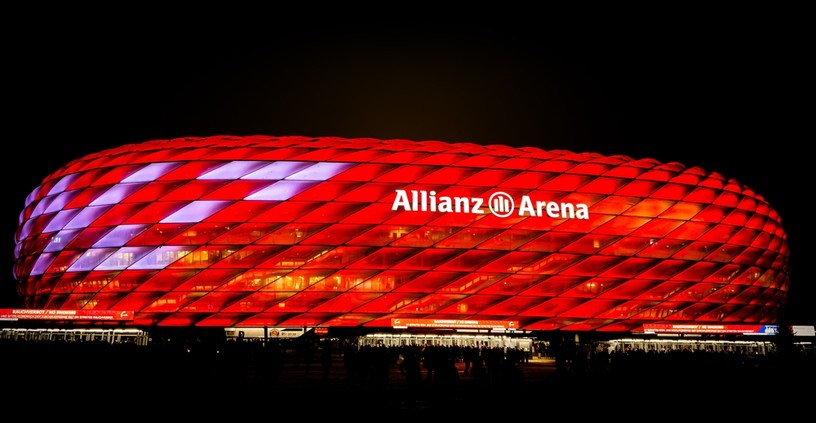
For many supporters, the defining night is still Munich in 2012. Chelsea were the underdogs, playing Bayern Munich in their own stadium in the Champions League final. They took the game all the way to extra time after a late equaliser and then won a penalty shoot-out 4-3.
It gave the club its first Champions League title and a place in the history books, and it came after years of near misses that included five semi-final exits and a runners-up medal.
Amsterdam and Baku
The Europa League added two more trophies. In 2013, Chelsea beat Benfica 2-1 in Amsterdam with a goal in the final seconds. In 2019, they met Arsenal in an all-English final in Baku, a setting that drew plenty of criticism for the distance fans had to travel, but the 4-1 scoreline gave supporters something to enjoy.
Those wins helped establish an unusual record. With the 1971 Cup Winners’ Cup, the 2012 Champions League and the 2019 Europa League, Chelsea became one of only five clubs to have won all three of the main European competitions, joining Ajax, Bayern Munich, Juventus and Manchester United.
Porto, 2021
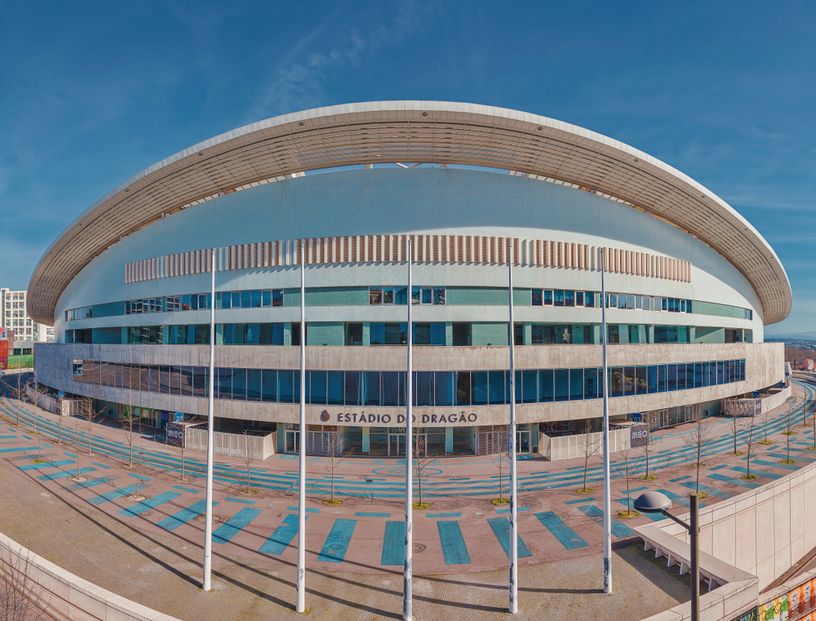
The most recent European crown came in 2021, again in the Champions League. In Porto, Chelsea faced Manchester City in an all-English final and won 1-0 with a goal just before half-time, defending resolutely in the second half to hold on.
It gave the club a second Champions League title and a sixth European trophy overall, a total that sits alongside six top-flight league titles and eight FA Cups on the honours board.
What Makes a European Night Different
Part of the appeal is the atmosphere. Midweek evenings under floodlights, an away end full of travelling supporters and the anthem before kick-off all give European games a character of their own. Knockout ties add the possibility of a single moment changing a season.
There’s also the sense of occasion. Many fans can name the first European match they attended, whether it was a group game on a cold night or a final in a foreign city, and those memories tend to stay with them.
Making the Most of the Gap

For supporters missing European football this season, a few things are worth doing:
- Rewatch the finals. Full matches from 2012 and 2021 are a good reminder of what the club has achieved
- Browse the history. Season-by-season records show how the club’s fortunes have risen and fallen
- Follow the domestic cups. The FA Cup and League Cup offer their own big nights, even without Europe
- Plan for next year. European qualification is the goal for most clubs, and the race starts now
The Wait Goes On
European football has a habit of coming back, and Chelsea’s story shows how quickly things can change. A quiet November may feel like a long wait, but the club has been here before, and the nights that followed became some of the best in its history.