
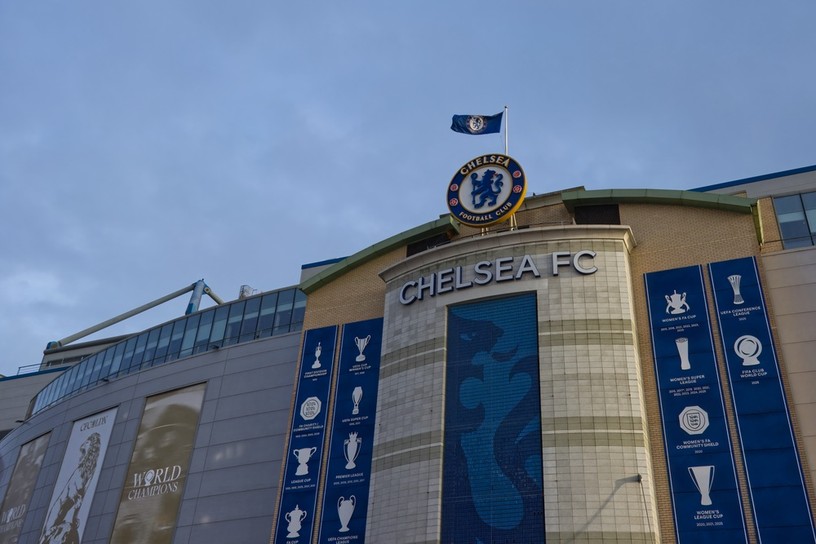
For the 2024/25 season, Chelsea reportedly made £490.9 million in revenue, which is the second-highest in the club’s history. Matchday brought in a lot of these earnings, at around £86.8 million on an average attendance of around 40,000 per match; broadcasting rose as they finished in the top four, and the rest came from commercial deals.
What the Club Earns Now
The main three streams of revenue are the same at every Premier League club. Matchday is a key driver, but it’s capped by the size of Stamford Bridge. Broadcasting is the Premier League and European money, and is set by the league based on how far the team goes in Europe. Commercial revenue, honestly, is the only thing they control, for example, the kit deal, front-of-shirt partner, licensing, and so forth.
How Licensing Works
The biggest commercial contract that Chelsea has is actually a licensing deal with Nike. Nike pays Chelsea a reported £60 million a year, £900 million over 15 years from 2017. The deal means that Nike can design, manufacture, ship, and sell supplies with their badge on it.
These jersey photos come from one of our loyal Chelsea supporters. His new 26/27 Chelsea kit is currently in transit and will arrive soon. https://t.co/O3486Xc2wq
— Zane (@kitsoc6) November 4, 2026
Previously, they had a licensing deal with Adidas; however, this was worth half the offer from Nike at £30 million a year. The deal structure was realistically the same; Nike just had the bigger budget for the club.
Licenses Other Rights Holders Have Sold
Chelsea already makes an incredible amount of money with their licensing deals; however, they could go far beyond what it offers right now by gaining inspiration from other industries.
The Premier League already licenses all 20 clubs’ names, kits, and stadiums to EA for its football game. However, they could go a different route, like licensing additional apparel items, such as sunglasses. Brands like Prada already do this with Luxottica, the Italian sunglasses brand behind Ray-Ban.
We’ve also seen famous sports figures, TV series, and films go the online casino route. Several online casino games for real money have been developed around well-known figures and stories, like Frankie Dettori, House of the Dragon, and Game of Thrones, which could be a new venture for Chelsea.
They could go much further than that as well. Action figures, cards, experiences, and so forth can all be licensed to the right manufacturer and developer. The only thing that’s required is a quality partnership that Chelsea can trust will protect the name of their club.
Other Commercial Lines Still Open
Chelsea stadium – Past, Present and Future. Simply amazing. 📷 from BR https://t.co/jZthJF7Yo1
— Carlito (@BlueCoProject) March 21, 2018
Unlike other clubs, Stamford Bridge has never carried a naming-rights partner for their stadium, which is unlike most Premier League teams. This could be an excellent opportunity to generate more revenue. Alongside this, new licensing ideas for either products or services could be a good option if they’re looking to scale that way.
Chelsea is popular enough to sell their name and likeness. They don’t need to set up production facilities to tap into new industries. All they need to do for commercial growth is to develop strategic partnerships with people that they can trust; from there, they just need to sell the rights and continue focusing on football.