

Anyone old enough to remember the Sunday raffle will know the drill. Someone’s dad propped up near the bar, tearing cloakroom tickets off a roll, collecting a few quid here and there while a joint of beef or a bottle of whisky sat on a table by the door. Nobody dressed it up as anything special. It didn’t need to be. The whole thing ran on loose change and mutual trust, held together by the fact that everybody in the room already knew each other’s name.
Fast forward to now, and a DCMS-commissioned report by London Economics (published June 2025) puts some genuinely surprising numbers on it: 7.4 million UK adults enter a prize draw or competition every year, spending a combined £1.3 billion between them. That’s a long way from a tombola drum and a meat tray, and understanding how a format built on paper tickets ended up attracting government-level scrutiny tells you a lot about how old ideas can quietly become enormous ones.
Paper Tickets and Football Ground Tombolas
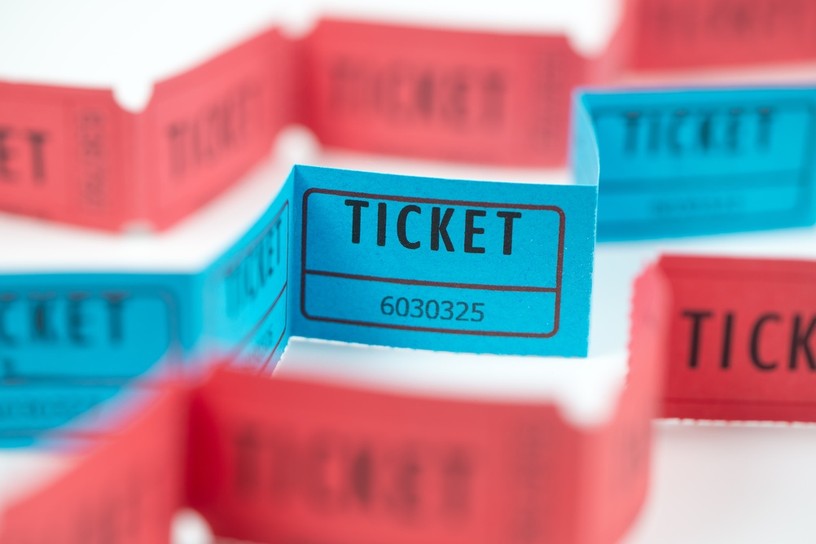
Raffles have been part of British social life for well over a century, but for most of that time nobody bothered measuring them. Working men’s clubs ran them, church halls ran them, pubs ran them on Sundays, and local football grounds ran them on match days. The format barely changed between them. You’d buy a strip of tickets from a volunteer, wait for someone to pull a number from a hat or a drum, and hope your number came up. Prizes were usually donated by local businesses or members, the money went towards a cause or a clubhouse fund, and the whole operation could fit inside a single evening without any paperwork to speak of.
But nobody entered those early raffles because the prizes were irresistible. They entered because they were already at the pub, already watching the match, already halfway through a pint with their mates and looking for something to do with the change in their pocket. The raffle was something that happened as part of an afternoon, not the reason anyone showed up in the first place. And because everyone could see who was running it and exactly where the money ended up, there was very little reason for anyone to question the setup.
How the Format Went Digital

Online raffles didn’t appear overnight, and no single company kicked the whole thing off. What happened followed a pattern that most industries will recognise in hindsight: broadband got cheaper, smartphones arrived in every pocket, social media made sharing easy, and people who already liked the idea of spending a quid for a shot at something expensive discovered they could do it from the sofa. The earliest online competitions were basic, often just a web form standing in for a paper ticket stub, with little else to distinguish them from their offline ancestors.
Scale changed everything, though, because a pub raffle might move a hundred tickets across an entire evening while an online draw can pull in thousands of entrants from across the country in a matter of hours. Bigger audiences meant bigger prize pools became financially viable, and bigger prizes pulled in more people, which pulled in more operators after them. A typical competition raffle now runs with capped entry numbers and tickets priced under a pound, with prizes ranging from tech gadgets to holidays, all under a voluntary code of practice that DCMS introduced in November 2025. The gap between a village meat draw and a car giveaway is mostly a question of how many people you can reach, and the internet answered that question comprehensively.
Why the Basic Appeal Never Changed

Behind the live-streamed results and the mobile-first platforms and the capped entries, the core proposition hasn’t really budged at all. The basic hook is very old. People enjoy the idea that a small amount of money could turn into something wildly disproportionate in value, and that was true when the top prize was a leg of lamb at a working men’s club just as much as it’s true now when someone’s giving away a BMW or a fortnight in the Maldives.
The DCMS report found that 88% of prize draw participants also take part in licensed gambling or lottery products, which suggests a common underlying impulse. Prize draws have always occupied a slightly different space, though. They don’t ask for much money, they don’t carry the same cultural baggage as gambling, there’s no complex strategy involved, and for most people a £1 raffle ticket still registers as a bit of fun instead of a financial decision. That holds whether you’re buying it at the bar or tapping your phone screen during a lunch break.
What Happens When a Pub Game Turns Into an Industry
When the government introduces a voluntary code of practice for something, it tells you the market has grown large enough and fast enough to make regulators pay attention, but not so problematic that heavy-handed rules have become necessary yet. Over 400 operators were identified in the London Economics research, and 95% of them were incorporated after 2015. Most of this is very recent. An entire industry has essentially built itself within a single decade, and regulators are still working out what to do with it.
Anyone who grew up watching their grandad tear tickets off a roll in a social club won’t recognise much about today’s version of a raffle, but the people entering still want exactly what they’ve always wanted: a low-cost chance at something they’d never buy outright.
The format grew because the internet made mass participation possible, and it will keep evolving as platforms compete on trustworthiness, prize variety, transparency, and how quickly they can put a draw in front of the right audience. The old pub draw didn’t disappear so much as it relocated, got louder, found a vastly bigger crowd, and picked up a regulatory file along the way.