
A World Cup call-up sits at the top of almost every professional footballer’s ambition. It represents the pinnacle of international football, a chance to perform on the biggest stage in the sport, in front of a global audience, for the honour of your country.
For a club player, there is no greater validation of your standing in the game. Chelsea players, both current and former, have a long tradition of being exactly the kind of players national team managers turn to when the stakes are highest.
One of the most celebrated examples of this is Christian Pulisic, the former Chelsea forward who went on to become indispensable to the United States Men’s National Team, a point that Yahoo Sports captured well in their recent coverage describing him as a crucial figure for the USMNT.
But Pulisic is far from the only Chelsea connection to World Cup significance. The current squad carries that same tradition, and the 2026 tournament gave several Blues the opportunity to prove it. It is well worth examining which of them stepped up most meaningfully for their nations.
Enzo Fernandez
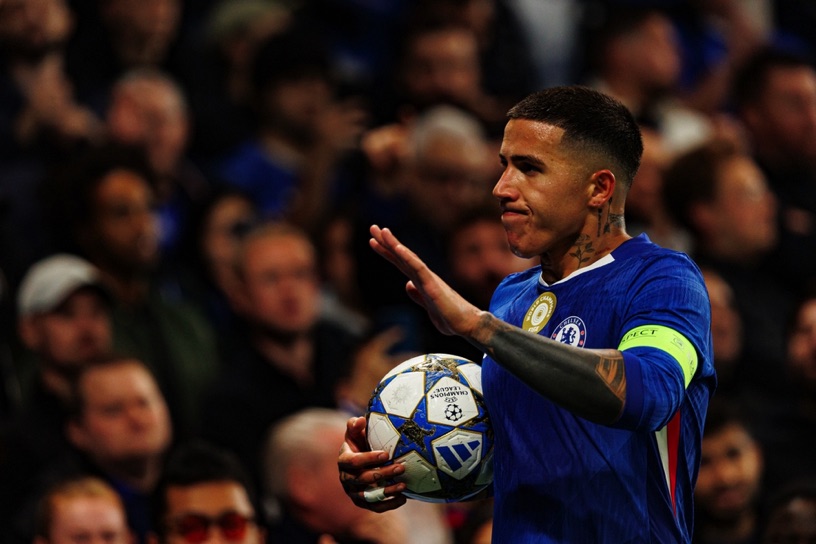
If one Chelsea player embodied World Cup quality at the 2026 tournament, it was Enzo Fernandez. The Argentine midfielder arrived in North America as a reigning world champion, carrying the weight of expectation that comes with that status, and he delivered. He was consistently one of Argentina’s most influential players across the tournament, controlling games from midfield with the kind of composure that only elite players maintain at this level of competition.
Fernandez scored twice during Argentina’s run, and one of those goals was historic in the truest sense; it was the 3,000th goal ever scored in the history of FIFA World Cup finals. Scoring a landmark goal of that magnitude, in a knockout stage match, under the pressure of representing the world’s most demanding football nation, says everything about where Fernandez is as a player right now. Argentina ultimately fell short in the final, losing 1-0 to Spain, but Fernandez’s performances across the entire tournament only reinforced his reputation as one of the best central midfielders in world football.
For Chelsea, watching Fernandez return from a World Cup final having scored in the tournament and written himself into the history books is a genuine boost. He arrives back at Stamford Bridge with renewed confidence, proven big-game credentials, and the experience of going deep in the tournament once again. That kind of mental and technical sharpness is something Xabi Alonso will be eager to harness from the first day of pre-season.
Reece James and Trevoh Chalobah
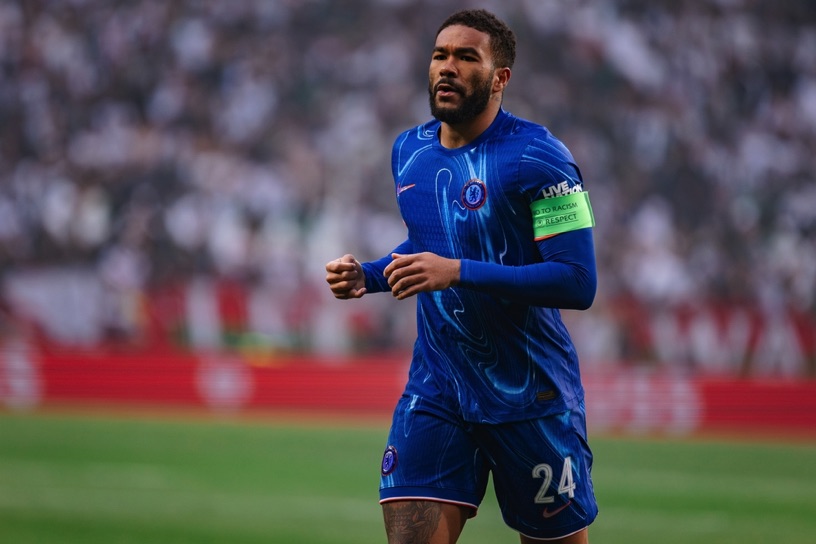
For Reece James, the 2026 World Cup was a personal milestone. This was his first appearance at the tournament, and the fact that England reached the semi-finals made it a genuinely memorable run. James has long been one of the most technically gifted right-backs in European football, but his career has been disrupted repeatedly by injuries. Featuring at a World Cup, and helping England progress through the stages felt like an overdue reward for a player of his quality.
England were eliminated in the semi-finals by Argentina in a tight, deeply competitive match that left the squad frustrated but proud. They responded with focus and professionalism, beating France in the third-place play-off to claim bronze medals. Both James and Chalobah were part of that squad throughout the tournament, and returning with a medal from a World Cup is never something to dismiss. Third place at a World Cup is a real achievement, and England can take real satisfaction from it.
Moises Caicedo
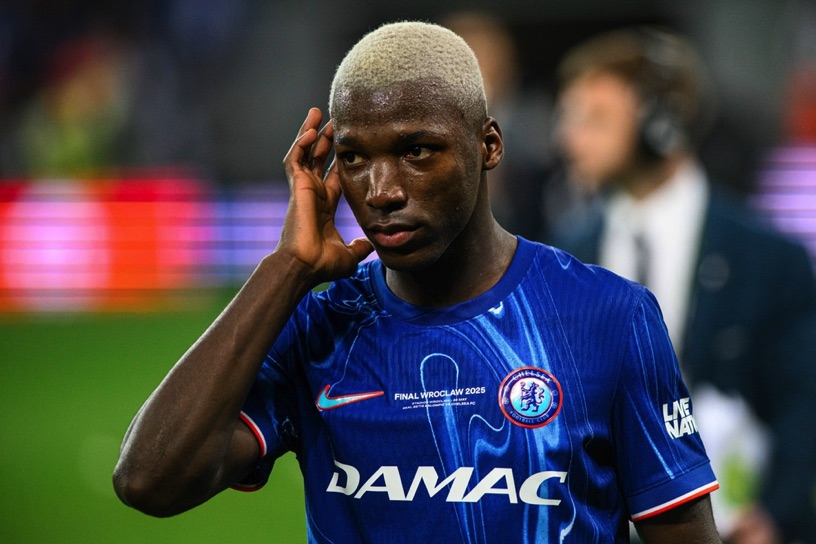
Moises Caicedo’s contribution at the 2026 World Cup went beyond individual performances. He captained Ecuador throughout the tournament, playing every single minute of his nation’s campaign before they were eliminated in the Round of 32. Leading your country at a World Cup is a responsibility that carries enormous weight, particularly for a nation like Ecuador where the game means so much to so many people.
Caicedo has developed into one of the most complete defensive midfielders in the Premier League, and his performances for Ecuador reflected that growth. His reading of the game, his ability to break up play and his composure in possession were consistently on display. Ecuador’s exit was disappointing, but Caicedo’s personal standing only grew. He returns to Chelsea as a captain, a leader, and a player who has proven he can carry a national team on his shoulders.
Malo Gusto, Pedro Neto, and Nicolas Jackson
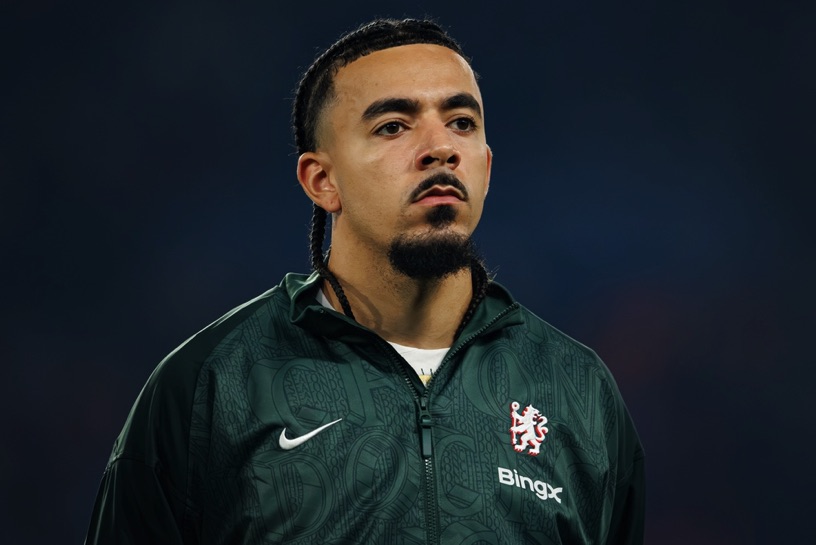
Three other Chelsea players contributed meaningfully across different stages of the tournament. Malo Gusto featured regularly for France as they reached the semi-finals before finishing fourth, gaining significant minutes at the highest level of international football. At his age and stage of development, playing in a World Cup semi-final is exactly the kind of experience that accelerates a player’s growth.
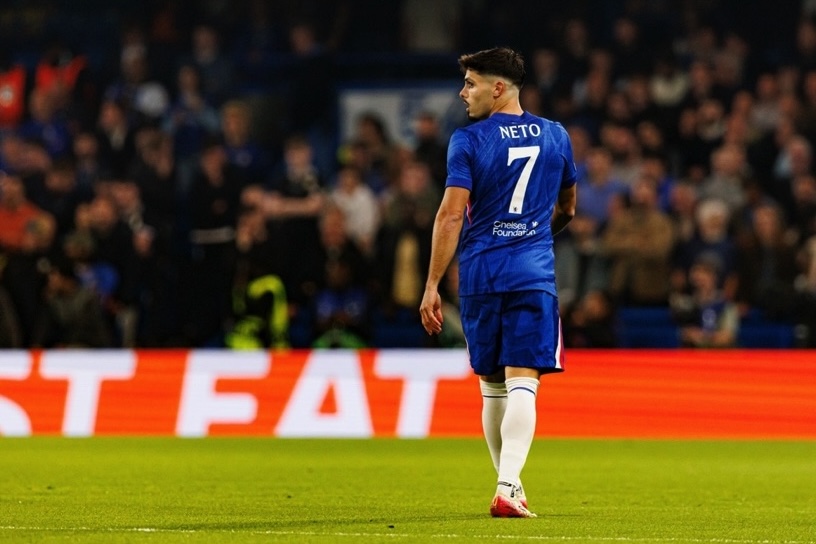
Pedro Neto helped Portugal reach the Round of 16 before they were knocked out by Spain, the eventual champions. Being eliminated by the best team in the tournament is no disgrace, and Neto played his part in Portugal’s campaign. Nicolas Jackson represented Senegal and showed glimpses of the quality Chelsea supporters regularly see at club level, even though Senegal’s run ended in the Round of 32.